Jaded detective John Verney is on the trail of an ancient cult of Plague Doctors which is cutting a bloody swathe through the London underworld. Dismissed by his superiors as gang on gang killings, the murders draw Verney into an obsessive maze of a secret society conspiracy with links to the Jack The Ripper murders of 1888, putting him and his family in grave danger. Above is ...
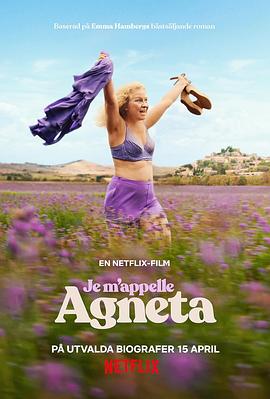
Agneta is a colorful and funny person, but it's not obvious on the surface. She has just turned 49, her children have flown the nest, her job at the traffic office is stagnant, and Agneta feels invisible. Her husband, on the other hand, has found meaning in life by doing ice-cold baths and cycling fast in expensive gear. In a crisis attempt to escape the dull shackles of everyday life, Agneta leaves the safe Swedish life behind to work as an au pair for a Swedish boy in France. However, when the boy, Einar, turns out to be an elderly eccentric demented gentleman, the misunderstanding is a fact. This becomes the start of a messy, life-affirming friendship that turns everything Agneta thought she knew about life and herself upside down. Because how does one really live their one precious life?
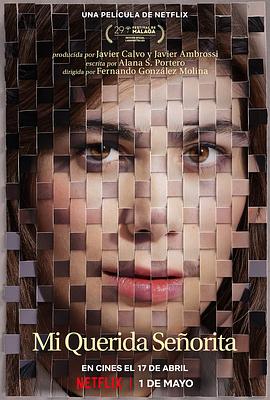
My Dearest Señorita, produced by Javier Calvo and Javier Ambrossi, is an adaptation of the 1972 Oscar-nominated film of the same name directed by Jaime de Arimañán, who co-wrote the script with José Luis Borau starring José Luis López Vázquez.
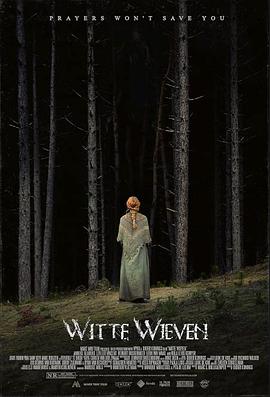
Didier Konings’ simmering mediaeval horror Witte Wieven explores the confluence of religion and patriarchy in an excessively puritanical Dutch village. Blamed by her community for being childless, Frieda immerses herself in prayer and ritual. When she returns unscathed from the forbidden forest surrounding the village, having evaded a lecherous butcher, she is condemned as an agent of the devil. Frieda, however, finds new faith in the dark powers that inhabit the woods.
Shot in a reduced colour palette at the edge of visibility, Konings’ gripping film constructs a convincing pre-modern society whose practices it elucidates with patience and attention. Although set in the Middle Ages, Witte Wieven displays an unmistakably contemporary spirit, crafting a feminist parable about women discovering new ways of understanding their lives and the world.
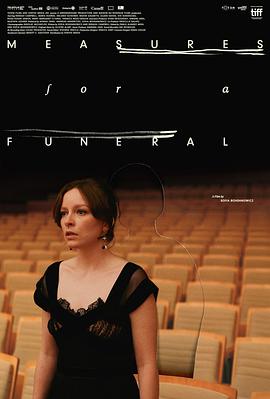
The film is inspired by the true-to-life story of the discovery of the long-lost “Opus 28” manuscript from Norwegian composer Johan Halvorsen, originally performed in 1909 by Canadian violinist Kathleen Parlow, to whom the piece was dedicated.
Campbell portrays a student who seeks to complete her thesis on Parlow by organizing a public performance of “Opus 28” from Toronto to Oslo. The cast includes Dueñas, Melanie Scheiner, Eve Duranceau, Maxim Gaudette, Rosa-Johan Uddoh, and Eileen Davies.